- A former North Carolina Insurance Department employee alleges sexual harassment and retaliation in a federal lawsuit filed Monday against Insurance Commissioner Mike Causey.
- April Taylor alleges "persistent, sexualized communications and advances" that prompted her to resign from the department in March.
- The department indicated that it does not comment "on pending litigation."
A former North Carolina Insurance Department employee has filed a federal lawsuit against Insurance Commissioner Mike Causey, alleging sexual harassment and battery, assault, and retaliation.
April Taylor filed suit Monday against Causey, the department, and the state.
“We do not comment on pending litigation,” wrote Barry Smith, the department’s deputy director of communications, in an email to Carolina Journal.
Taylor worked for the Insurance Department from 2017, the year Causey took office, until March 2026.
“This action concerns the destruction of a public servant’s career by some of the very officials and institutions charged with protecting the integrity of North Carolina government,” Taylor’s lawyers wrote.
Taylor worked 18 years for state government. “With only a limited number of years remaining before the retirement she had spent nearly two decades earning, she did not voluntarily abandon her career,” according to her complaint. “She was driven from it.”
Causey recruited Taylor “to a position that he created, against the backdrop of a longstanding friendship with her family,” he lawyers wrote. “At the time, Mrs. Taylor regarded Causey as family.”
“Causey knew that she trusted him, knew that her status as one of his hires left her employment unusually dependent upon his favor, and repeatedly encouraged her to bring workplace concerns directly to him,” according to the complaint.
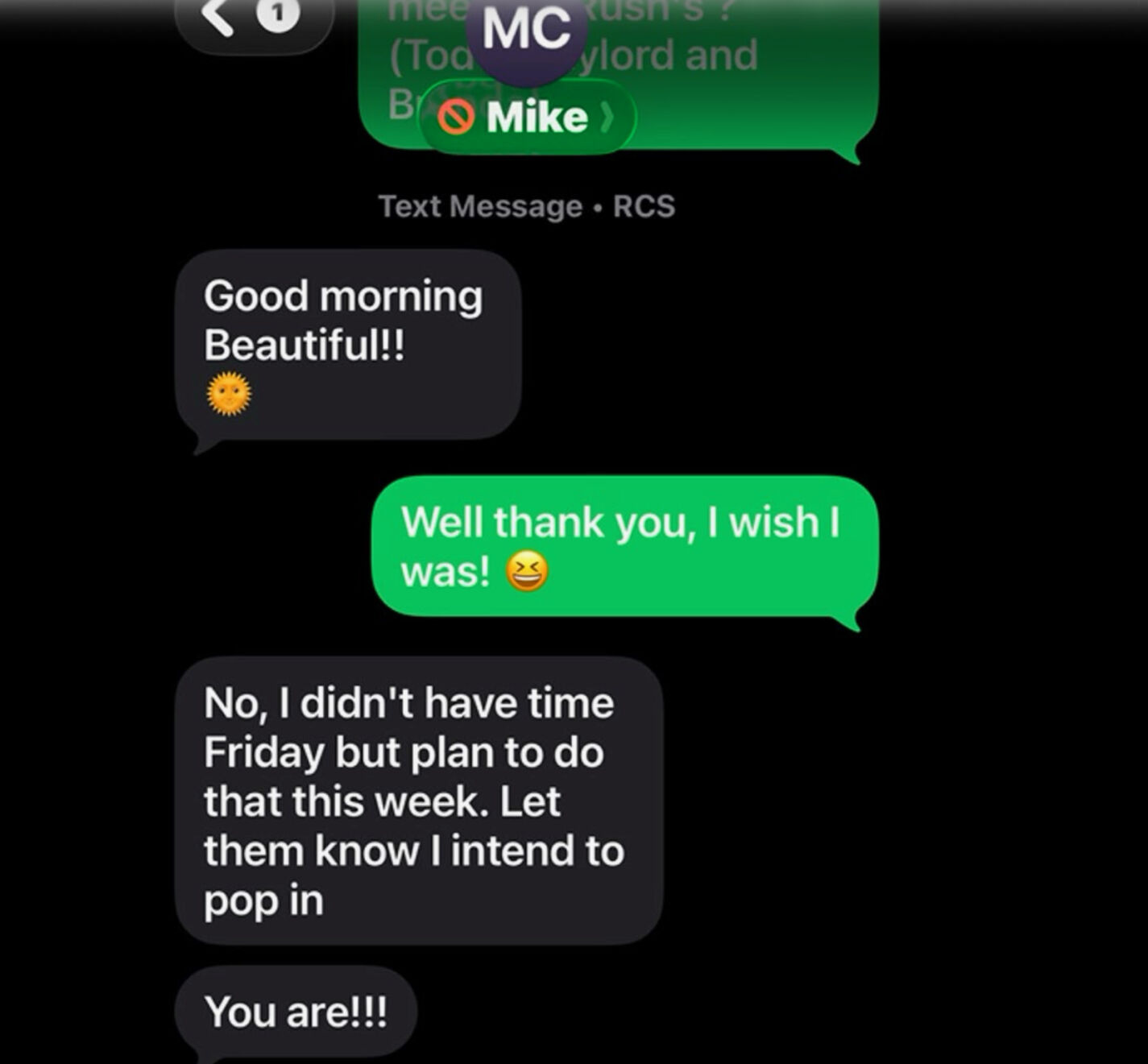
“When Mrs. Taylor did so, she did not receive the protection that an employee should be able to expect from the head of a State agency,” Taylor’s lawyers wrote. “Instead, Causey exploited the family relationship and the power inherent in his office to subject her to persistent, sexualized communications and advances.”

“This inappropriate conduct culminated in an incident during government work hours and on government property, during which Causey entered her office, closed the door, hugged her, and kissed her on the mouth without her consent,” the complaint continued.

“For an employee whose continued employment depended upon the whims of a Commissioner who made no secret about discussing with her the names of prior employees at the department whose employment he had terminated, the ordinary avenues of recourse did not reasonably appear independent or safe,” Taylor’s lawyers wrote. “Mrs. Taylor alleges that she feared that human resources personnel, subordinate managers, and internal officials ultimately answered to the same elected official whose conduct she needed to report.”
“When she nevertheless attempted to use internal channels to report other misconduct she observed in the Department’s operations, she experienced isolation, hostility, diminished assignments, and retaliation,” the complaint added. “When she followed Causey’s invitation to come directly to him about those departmental concerns, the man positioned as her avenue of recourse was himself the source of unwanted sexual advances, unwanted physical contact, and apparent betrayals of her confidence to the exact supervisors who were already mistreating her.”
The lawsuit also focuses on Taylor’s disabilities “and the workplace barriers they created.” The department “delayed beginning a meaningful interactive process, failed to furnish timely effective accommodations, and did not issue its written determination on her request for reasonable accommodations until February 25, 2026, only days before her March 4, 2026 resignation,” according to the lawsuit.
“This was not mere dissatisfaction, criticism, or an unpleasant working relationship,” Taylor’s lawyers wrote. “Mrs. Taylor alleges a closed-door sexual battery by the elected head of her agency; years of sexualized conduct by the person who controlled her appointed position; retaliation and isolation when she reported wrongdoing; an absence of any reasonably safe internal avenue around the alleged harasser; conduct by her coworkers and superiors that actively exacerbated her medically-documented disabilities, and an employer’s prolonged failure to remove documented disability-related barriers.”
“Taken together, these conditions became objectively intolerable,” the complaint added. “A reasonable person in Mrs. Taylor’s position would have felt compelled to resign, and Mrs. Taylor did resign.”
“The consequences of the mistreatment and abuse she endured have been devastating,” according to the lawsuit. “Mrs. Taylor suffered severe emotional distress and aggravation of existing psychological conditions. She lost wages, benefits, service credit, pension value, and retirement security that she would have earned by continuing State service, and the opportunity to complete the final years of a career she had spent almost two decades building.”
“The abrupt and public end of that career has damaged her professional standing and materially impaired her prospects for comparable reemployment,” Taylor’s lawyers wrote.
Taylor is seeking back pay and lost wages and benefits, along with compensation “for severe emotional distress, humiliation, anxiety, mental anguish, aggravation of existing conditions, reputational and professional injury, and other losses” and punitive damages.